1
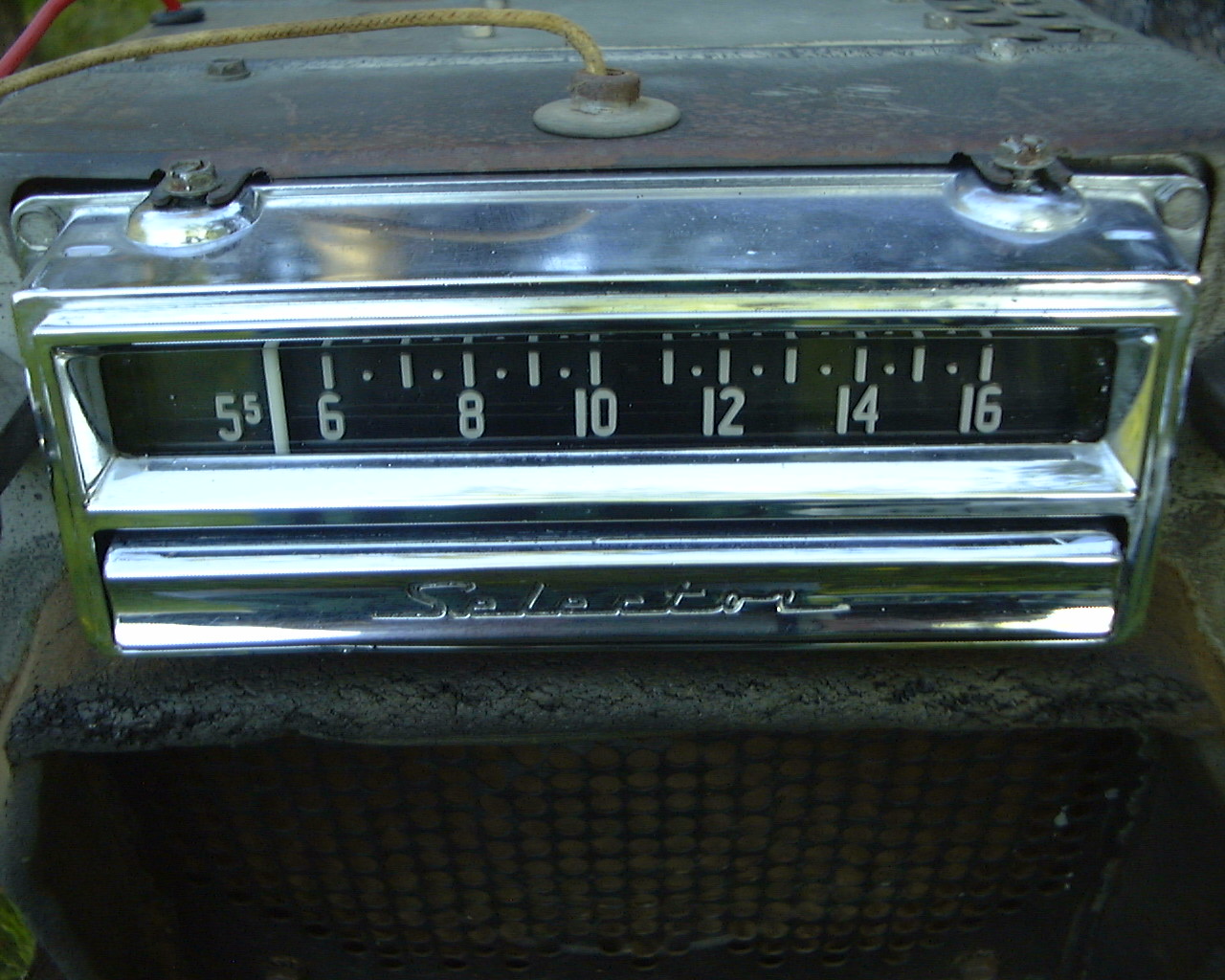
This is a stunning example of a by-gone era in state-of-the-art technology designed for the discriminating buyer who appreciated up-to-date and unsurpassed engineering, luxurious styling and quality appointments offered by Detroits only finest motorcars. The polished chrome escutshon and raised highly-defined characters accentuate the slide-rule dial of this 1950 Cadillac radio recently rebuilt by this shop.
2
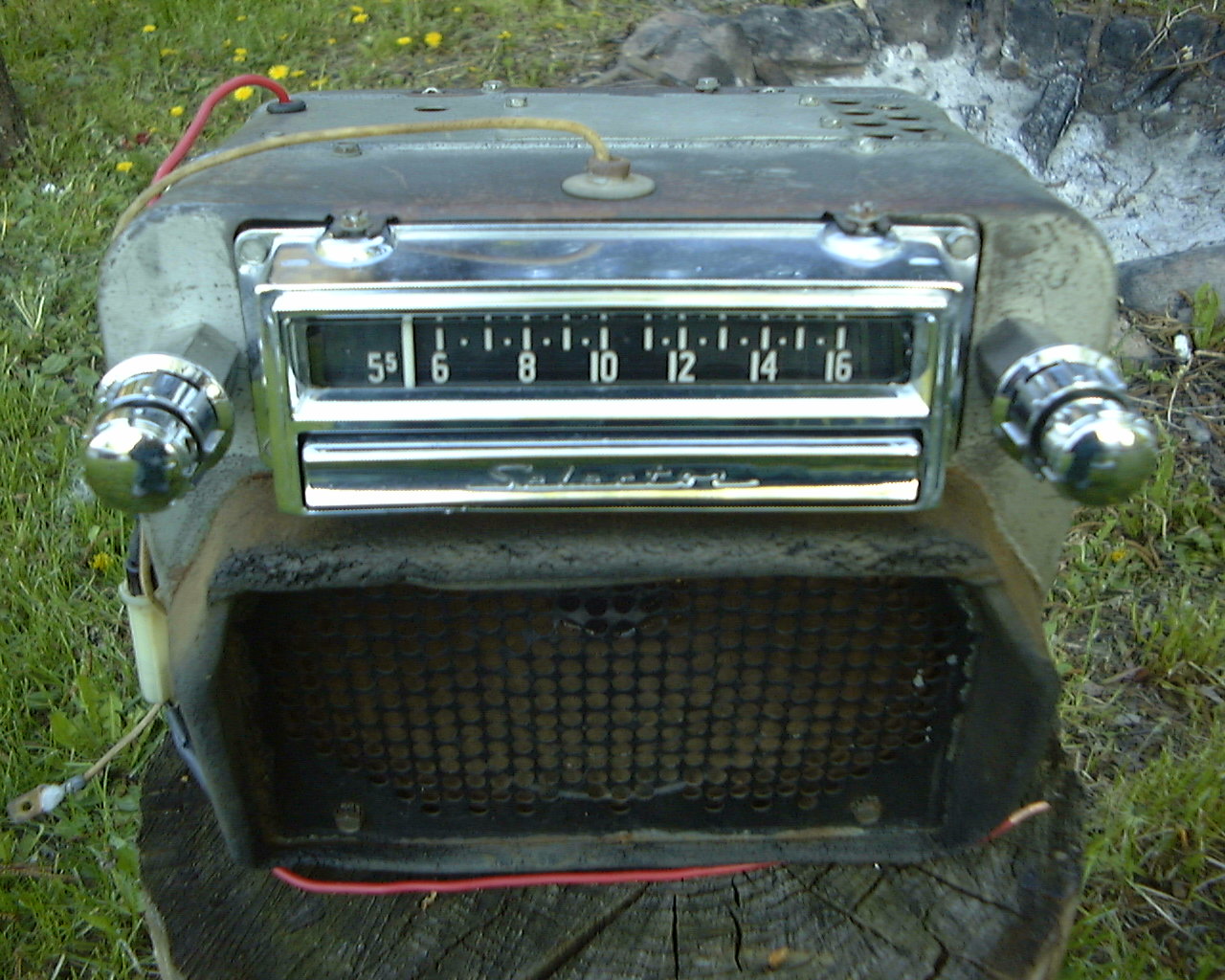
Front view of the Cadillac Delco model 7258865.
3
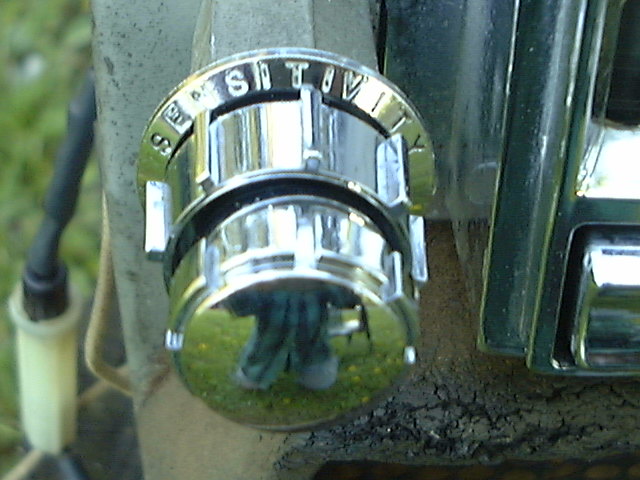
Highly-polished original finish knobs control the functions of the radio. The outer knob is the off/on and volume control. The five-position inner knob increases station sensitivity. The fully-clockwise position, when used in conjunction with the selector or wonder bar allows the tuner portion of the radio to tune-in even the most distant stations.
4
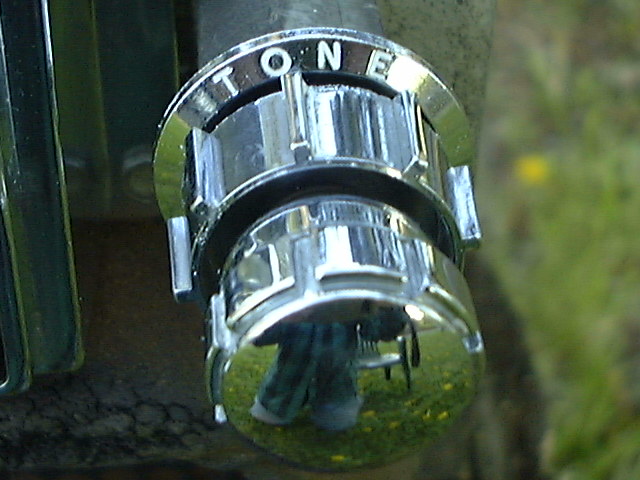
The outer right-hand knob, when depressed, operates a manual valve which supplies vacuum to raise/lower the vacuum operated antenna. The inner knob is a 4-position tone control.
5
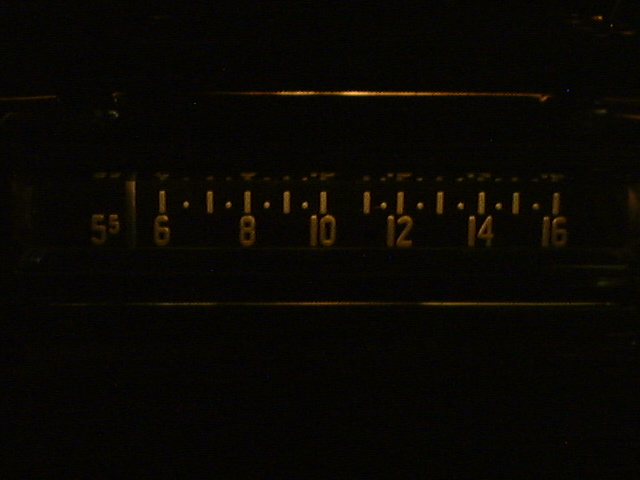
Pic shows the back-lighted dial. Not noticeable is a pin-point red-lens pilot light alerting the drive that the radio is turned ON.
6
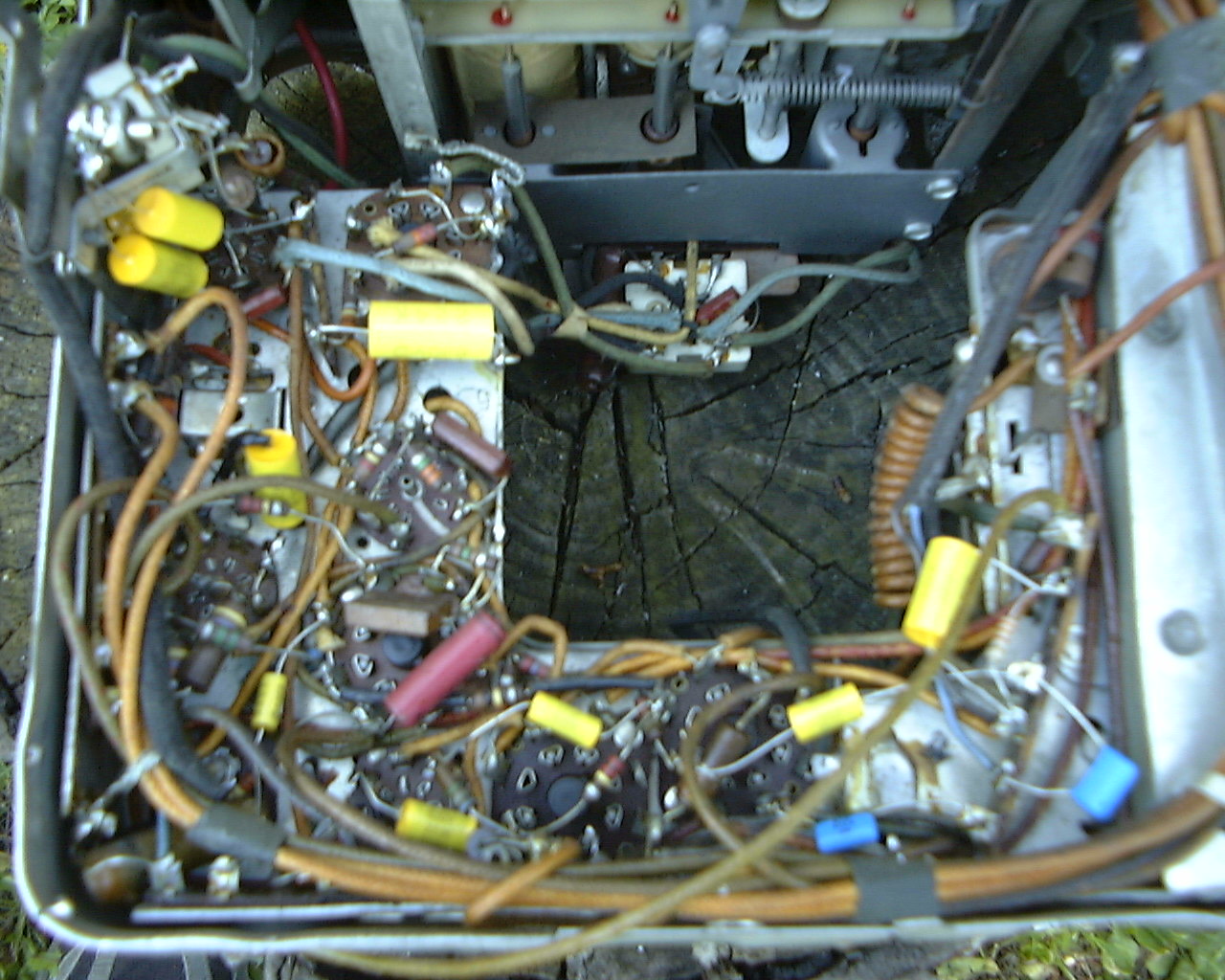
The is the bottom view of the radio chassis which has been totally rebuilt including coupling and bypass capacitors, resistors as well as necessary tubes.
7
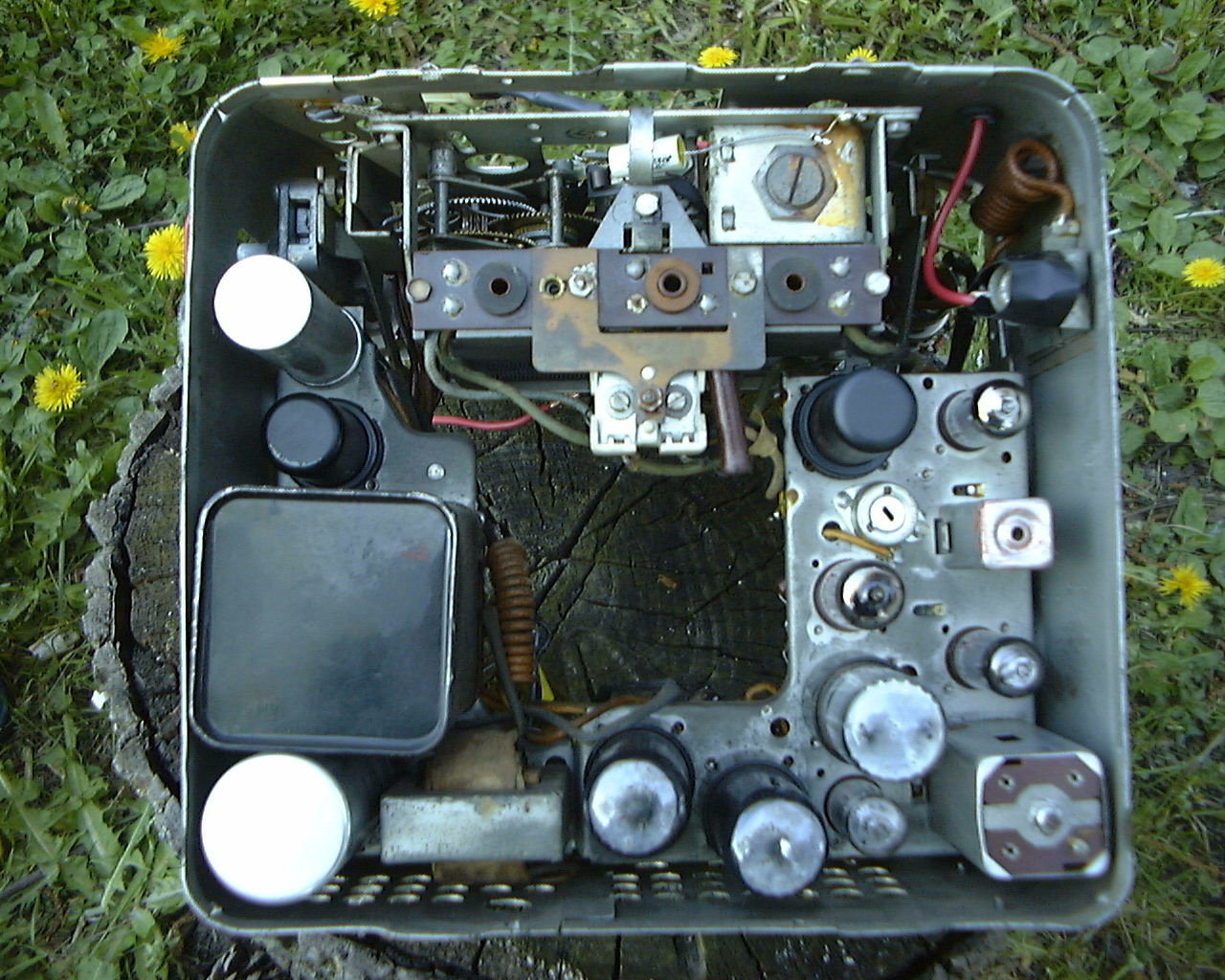
Following the chassis rebuild, the RF and IF sections were aligned for maximum performance. The front cover containing the 6X9 speaker has been removed revealing tubes, power transformer, IF condensers, the variable condenser and its planetary gearing for implementing its travel one end to the other of the slide-rule dial.
8
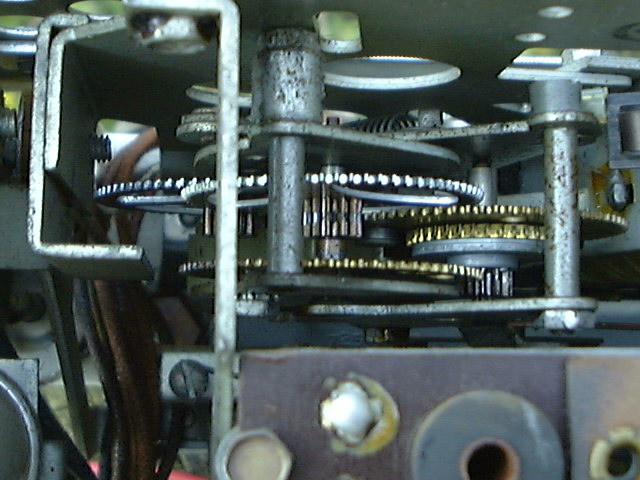
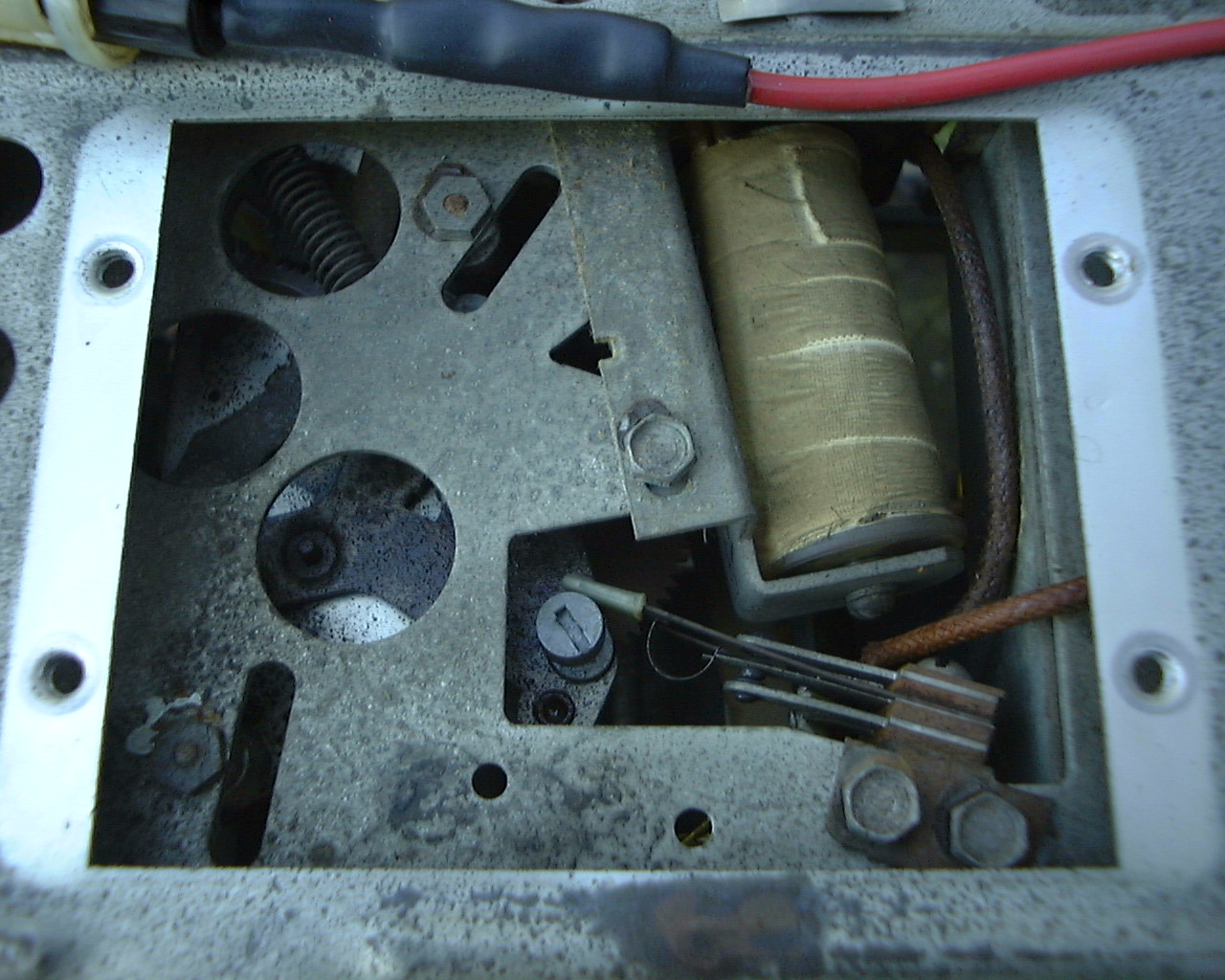
The planetary gears, controlled by relays, provide mechanical movement of the tuner assembly as well as the dial pointer. When the Selector bar is depressed, a relay moves a brake away from the fly governor allowing the the spring to gradually unwind as the pointer moves toward the high-frequency end of the dial. During its travel and as the variable condenser senses a station frequency, the planetary mechanism will come to a halt, and the variable condenser will lock perfectly on a frequency eliminating the need for fine-tuning. When the variable condenser comes to the end of its travel, a solenoid is energized through contact points thrusting the planetary arm and pointer to the beginning of travel. The thrust of the solenoid in turn winds the spring-loaded gear, and the cycle begins again.
9
This is the top-view of the planetary drive system also showing the massive control relay discussed above on the right.
10
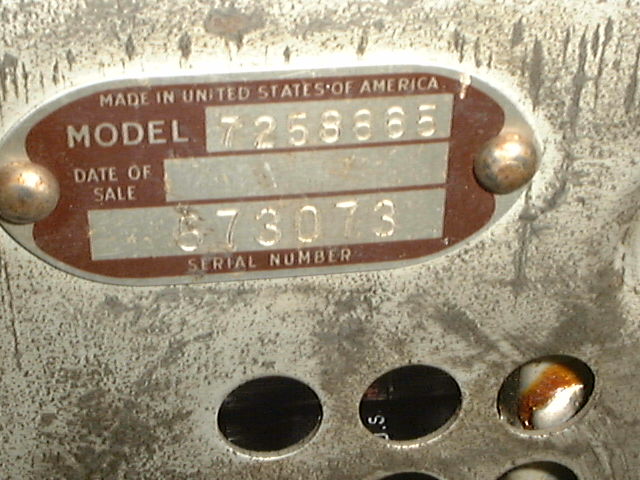
Older Delco model radios had a metal plate riveted to the outer metal casing at the bottom with serial and model numbers. This shows this model radio as the 7258865. The model number is useful when using SAMS Photofact Index for finding correct service information to service the radio.
Prev
Next